A Bird's Eye View: Exploring the Role of Drone Pilots in Protecting the Environment
Lately, the role of UAV pilots in environmental conservation has garnered substantial interest. These trained individuals harness the power of unmanned aerial vehicles to monitor natural habitats, survey animal species, and assess natural resources. With progress in drone technology, operators can now conduct tasks that were once demanding, enabling increased effective plus effective preservation efforts.
This article will examine the multifaceted tasks of aerial specialists within the realm of sustainable practices. From dealing with federal aviation rules for night flying and flights over people to grasping the importance of LiDAR data processing for land surveys, we will go into the technical aspects that enhance their work. As we examine the nuances of operating drones for preservation purposes, we will also emphasize the vital paperwork and safety practices necessary for upholding elevated performance standards. Whether it is employing infrared technology for detecting structural issues or ensuring compliance with airspace regulations, these insights reveal the significance of drone professionals as vital contributors in preserving our environment.
Finding your way through Federal Aviation Administration Rules for Unmanned Aerial Vehicle Usage
Grasping FAA regulations is vital to those flying drones, particularly those engaging in commercial operations focused on conservation of the environment. The FAA Part 107 regulations set the groundwork of safe and legal operations, encompassing obligations on certifying pilots, operational limitations, and airspace classifications. Operators must ensure compliance with these regulations to evade penalties and guarantee the safety of their flights.
A particularly complex aspects of FAA regulations involves obtaining exceptions to operations that don't comply with standard guidelines. For example, pilots seeking to fly at night or perform flights over individuals must navigate the waiver application process meticulously. This involves detailing safety measures and justifications to demonstrate that the proposed operations can still adhere to safety standards. Understanding how to write a compelling request for a waiver can significantly enhance a pilot's ability to carry out targeted drone operations, such as surveying wildlife and evaluating distant ecosystems.
Furthermore, pilots should be knowledgeable about controlled airspace and how to navigate it properly. Using the Low Altitude Authorization and Notification Capability (LAANC) tool can streamline this process. Operators are required to provide specific documentation to receive authorization, which ensures that operations are conducted within permissible airspace. Being Drone Pilots Snizort Inverness-shire of the classifications of airspace and the corresponding restrictions helps operators organize their missions while upholding compliance to FAA regulations, contributing to the broader objectives of environmental conservation.
Technical Knowledge for Improved UAV Efficiency
Grasping the factors that impact drone performance is crucial for enhancing efficiency in environmental efforts. Drone Pilots Inverness Inverness-shire is battery management. Acceptable battery deterioration must be assessed to avoid in-flight failures, particularly in essential circumstances. Periodically evaluating battery health and being aware when to replace LiPo flight packs ensures that drone pilots function at peak performance, minimizing the chance of inactivity or mishaps during critical conservation missions.
When it comes to data acquisition, thermal imaging drones play an essential role in detecting structural faults and roof moisture leaks. These drones employ advanced sensor technology to recognize heat variances, allowing conservationists to tackle issues before they worsen. Leveraging the benefits of thermal drones can considerably aid to wildlife conservation initiatives, especially in spotting temperature anomalies in habitats that may signify larger environmental problems.
Furthermore, the difference between mechanical and electronic shutters in drone mapping is noteworthy. Mechanical shutters are preferable for capturing high-speed movements without blurring, whereas electronic shutters can lead to rolling shutter effects. Selecting the suitable shutter type based on the objective needs can markedly boost the quality of data gathered, consequently enhancing the effectiveness of conservation methods employed.
Best Practices for Professional Drone Operations
To guarantee effective and safe commercial drone flights, operators should understand FAA regulations, particularly FAA Part 107. This understanding encompasses how to handle waivers for night flying and operations over people. Proper grasp of these regulations helps drone pilots maintain adherence while expanding their operational capabilities, eventually encouraging less risky and more efficient flights. Additionally, pilots should focus on acquiring the required documentation needed to clear controlled airspace through the Low Altitude Authorization and Notification Capability (LAANC) system, which simplifies the approval process for drone operations in crowded airspaces.
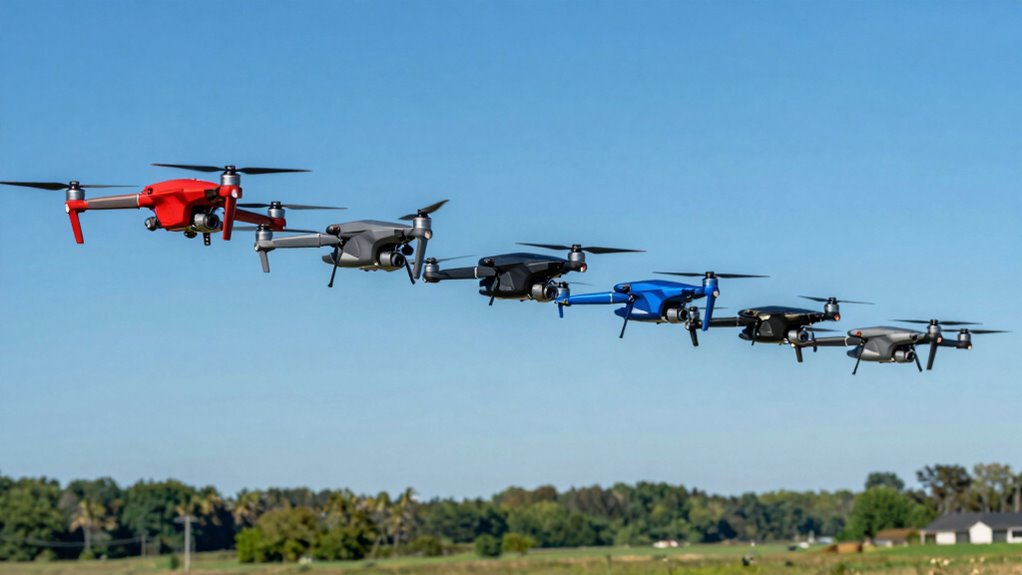
Routine maintenance and calibration of drone equipment is vital for optimal performance. Drone pilots should be attentive to factors such as magnetic interference, which can impact the accuracy of compass and IMU calibrations. Understanding how to maintain and clean camera sensors and gimbal bearings will ensure high-quality imaging, which is crucial for tasks like thermal imaging and photogrammetry. Additionally, performing thorough pre-flight checks can help recognize potential issues, ensuring that drones are ready for safe flight and that operators can address effectively to any unexpected challenges during operations.
Ultimately, operators must keep detailed records for commercial insurance audits and compliance purposes. Structuring a professional flight log that records flight conditions, battery life, and any anomalies can provide essential documentation for underwriting processes. It is also important to understand the factors that influence drone performance, such as payload weight, battery degradation, and flight telemetry data, enabling pilots to make informed decisions that enhance safety and efficiency. By adopting these best practices, drone pilots can greatly contribute to the impact of environmental conservation efforts through their aerial operations.