Flying High: Life of a Contemporary Unmanned Aerial Vehicle Pilot
In recent years, the field of drone operation has seen a extraordinary transformation, changing from a niche hobby into a successful field of work. Upcoming drone pilots now embark on exciting journeys, applying their skills for various applications such as aerial photography, surveying, and even crisis management. Due to the quick advancements in technology and the increasing demand for aerial data, becoming successful as a drone pilot requires both knowledge but also a thorough understanding of rules and cutting-edge techniques.
Maneuvering through the difficulties of the skies involves a range of challenges, from complying with FAA regulations to mastering cutting-edge drone technologies. For case in point, knowing how to apply for permissions for night flying or operations over people can significantly broaden a pilot's abilities. Additionally, understanding specific requirements, like LAANC for controlled airspace, is crucial for those looking to operate commercially. This article will delve into the intricacies of drone piloting today, covering essential topics like equipment maintenance, flight planning, and professional standards to help both seasoned pilots and newcomers rise to new heights in their aerial endeavors.
Steering Federal Aviation Administration Rules plus Exemptions
Understanding Federal Aviation Administration rules remains crucial for modern unmanned aerial vehicle operators. This Federal Aviation Administration has developed guidelines that regulate multiple facets of UAV operations, especially aimed at commercial pilots. Operating under Federal Aviation Administration section 107 provides a foundation for lawful flight, specifying regulations regarding altitude, airspace categories, and operator licensing. However, certain activities, such as night flights or flying over crowds, require operators to obtain waivers. Such a process may seem intimidating, but with a thorough knowledge of the submission requirements, operators can effectively navigate the regulations.
For instance, evaluating a exemption regarding nocturnal flights, for, pilots must demonstrate that can maintain security standards while operating in reduced visibility conditions. Such a entails showing proficiency in lighting plus functional techniques. Likewise, in the case of operations over crowds, the Federal Aviation Administration mandates pilots take additional safeguards to guarantee safety, which involves adhering to particular operational plus operational limits. Through carefully gathering the required paperwork, operators can enhance their probability of obtaining these waivers, permitting them to expand their functional abilities.
Part of managing FAA rules is guaranteeing compliance beyond just securing exemptions. This encompasses understanding the specific documentation needed for navigating controlled airspace, including using the Low Altitude Authorization and Notification Capability platform. Such a tool allows UAV pilots to receive rapid approvals for operate in regulated airspace, streamlining the process greatly. A strong understanding of these rules plus resources not only helps pilots uphold legal operations and improves the credibility and reliability of their enterprise in an ever more competitive market.
UAV Tech and Care Tips
Understanding the nuances of drone tech is essential for modern drone pilots. This includes awareness about the differences between mechanical and digital shutters, especially in drone surveying situations. Pilots should be cognizant that physical shutters minimize rolling shutter effects, thereby providing clearer images, which is crucial when accuracy is required in mapping and surveying. Electronic curtains, while silent and more lightweight, can cause distortions in rapid objects and high lighting conditions. Selecting the right shutter type can greatly affect the caliber of collected data during drone operations.
Another key factor is battery care and understanding of tolerable degradation levels for LiPo flight packs. Over time, power sources can diminish their effectiveness, impacting airtime times and security. Pilots should check battery condition frequently, substituting packs that show significant wear to ensure optimal performance. Drone Pilots Alvie Inverness-shire is especially important for professional pilots who rely on consistent battery performance for satisfactory operational outcomes. Ignoring battery degradation can lead to unforeseen failures and possibly hazardous situations during operation.
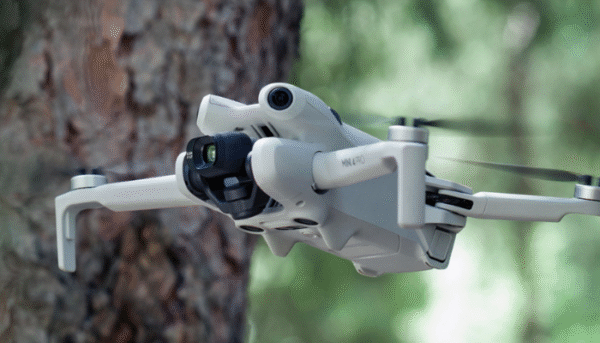
Care of the drone's camera sensors and gimbal components is equally important. Routine cleaning helps preserve image clarity and guarantees the gimbal operates smoothly, allowing stable video capture. The buildup of dust or debris can lead to sensor malfunctions and affect gimbal performance. Establishing a routine maintenance plan will help pilots prevent potential issues, enhancing equipment longevity and reliability. Emphasizing these aspects of drone technology and care can greatly contribute to the competence and operational safety of a drone operator.
Commercial Operations and Insurance Factors
When involved in commercial drone activities, understanding the details of liability coverage is crucial. UAV underwriters typically consider several elements when assessing a commercial liability policy. These elements can include the pilot's expertise, the kind of activities being conducted, and the UAV's particular capabilities. Additionally, insurance providers may consider the operator's compliance to FAA regulations, which involves obtaining the necessary certifications and upholding a sound safety. Ensuring all these factors are in order can lead to better insurance options and more advantageous rates.
Documentation becomes essential during these operations, especially when it comes to creating actionable documentation for coverage audits. One key aspect is structuring a professional flight record. This log should document flight times, sites, any events that occurred, and maintenance performed on the UAV. Such documentation not only proves due care but also creates a solid basis for any claims that may arise. https://hedgedoc.info.uqam.ca/s/IlHXc1C9j and organized record can significantly influence the overall assessment during an audit.
Furthermore, being updated with industry standards is crucial for functioning successfully within commercial environments. This entails knowing how to navigate FAA Section 107 exemptions, which may be necessary for night flying or operations over populations. Understanding these regulatory nuances allows UAV operators to function legally while minimizing risk. By being proactive in both record-keeping and compliance, UAV pilots can successfully protect their operations, ensuring long-term development in their business endeavors.