Soaring High: The Journey of a Drone Operator
In recent years, the rise of drones has revolutionized a multitude of industries, ranging from real estate to agriculture. As the need for trained drone pilots remains to increase, a distinct combination of skills and practical skills has emerged as a necessity for anyone aiming to excel in this exciting field. Drone pilots not only fly the aircraft but also handle complex compliance environments, ensuring safe and compliant flights while delivering stunning aerial imagery and data.
From mastering FAA regulations to comprehending the details of equipment maintenance, the life of a drone pilot is filled with challenges and rewards. This article examines the intricacies of being a professional drone pilot, exploring topics such as handling FAA Part 107 waivers for night flying, the impact of magnetic interference on calibration, and how to produce precise photogrammetry. Whether you are a seasoned pilot or new to the field, understanding these factors is crucial to achieving success and safety in the skies.
Navigating FAA Regulations and Waivers
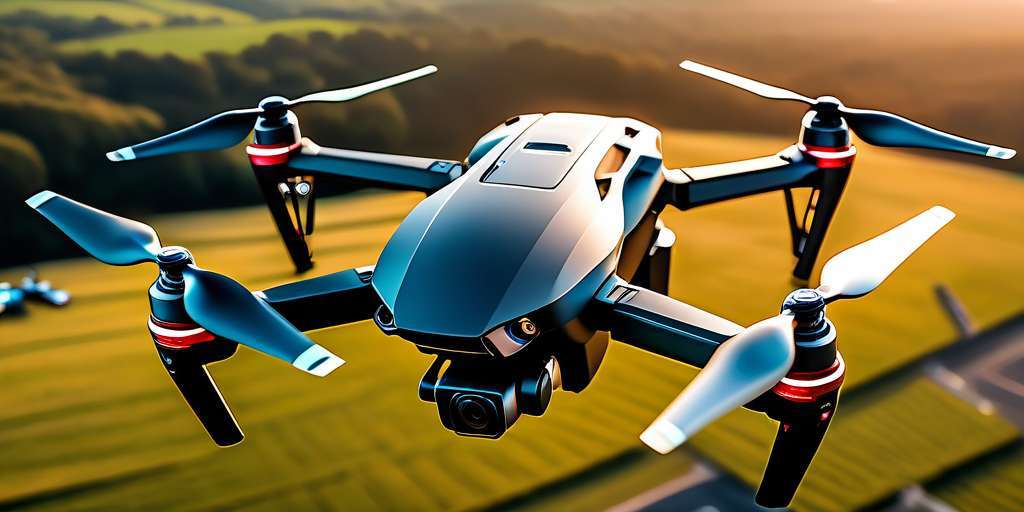
As a unmanned aerial vehicle pilot, understanding the Federal Aviation Administration regulations is crucial for guaranteeing compliance and security during flights. One of the primary factors of managing these rules is acquiring the necessary exemptions, particularly for night flying and operations over individuals. These waivers allow pilots to operate outside of standard protocols, but they come with explicit conditions that must be fulfilled. Pilots should be acquainted with the request process, which includes providing thorough operational plans, security measures, and rationales for their applications to the Federal Aviation Administration.
To successfully get a waiver for night operations, for instance, it is necessary to demonstrate capability through appropriate training and expertise. This may involve demonstrating adherence with visual line of sight regulations, using anti-collision lighting on the unmanned aerial vehicle, and having a comprehensive understanding of the risks associated with low-light flying. For activities over people, the FAA mandates pilots to present a strong safety case that explains how they will minimize risks to people on the ground.
In furthermore to waivers, drone pilots must also comply to specific documentation obligations when planning to access controlled zones. The Low Altitude Authorization and Notification Capability, or LAANC, provides a streamlined process for obtaining permission to operate in controlled zones, which is crucial for commercial operations. By successfully managing these rules and leveraging resources like LAANC, drone pilots can operate safely while expanding their capabilities in adherence with Federal Aviation Administration regulations.
Drone Technology and Flight Insights
Grasping UAV technology is vital for operators looking to improve their operations. For illustration, the difference between mechanical and digital shutters can significantly influence the quality of aerial mapping. Mechanical shutters typically provide more accurate imaging, especially in dynamic environments, while electronic shutters can demonstrate rolling shutter effect under specific lighting conditions. Choosing the appropriate type based on the mapping objective guarantees superior results, particularly in sectors relying heavily on visual data for interpretation.
In furthermore to visual clarity, understanding FAA rules such as Part 107 waivers is essential for growing flight operations to incorporate night flying and missions over people. To achieve Drone Pilots Alvie Inverness-shire , pilots must prepare detailed documentation and understand the requirements that come with these waivers. A comprehensive grasp of protocols like LAANC (Low Altitude Authorization and Notification Capability) is critical for navigating controlled airspace, ensuring compliance while providing flexibility for various project demands.
The maintenance of equipment is equally important in ensuring reliable and safe operations. Regular propeller inspections and balancing should be incorporated into a operator's routine to verify compliance with high-RPM flight requirements. Furthermore, understanding how electromagnetic interference can impact compass and IMU calibrations allows pilots to resolve issues in advance, ultimately enhancing flight stability and accuracy in their operations.
Skilled Practices for Commercial Pilots
For commercial drone pilots, grasping and adhering to FAA rules is crucial. Managing Part 107 waivers, especially for night flying and operations over people, involves gathering specific documentation and justifying the requirement for departure from standard regulations. This guarantees conformity and safety, which can elevate a pilot's standing in the industry. Using resources like LAANC for navigating controlled airspace is also critical, as it provides an efficient way to secure permission while exhibiting professionalism and respect for airspace management.
Another crucial aspect of commercial drone functioning is maintaining comprehensive flight logs. Structuring these logs to be adequate for commercial insurance audits is critical, as they not only document operational integrity but also protect against legal claims. Insurance underwriters often examine these logs, looking for evidence of reliable operational practices, routine maintenance, and adherence to manufacturer specifications. Pilots should ensure all records are detailed and represent a clear understanding of the risks associated with each flight mission.
Technical knowledge plays a critical role in the success of a commercial drone pilot. Comprehending the mechanics of different drone systems, such as the variances between RTK and PPK GPS adjustment methods for high-definition surveying, can profoundly impact the quality of the work produced. Additionally, being acquainted with Drone Pilots Inverness Inverness-shire of payload weight on battery lifespan and aircraft balance is critical for achieving peak flight performance. Frequent inspections and maintenance, coupled with knowledge about the implications of environmental factors like wind and temperature, will further secure safe and efficient operations.