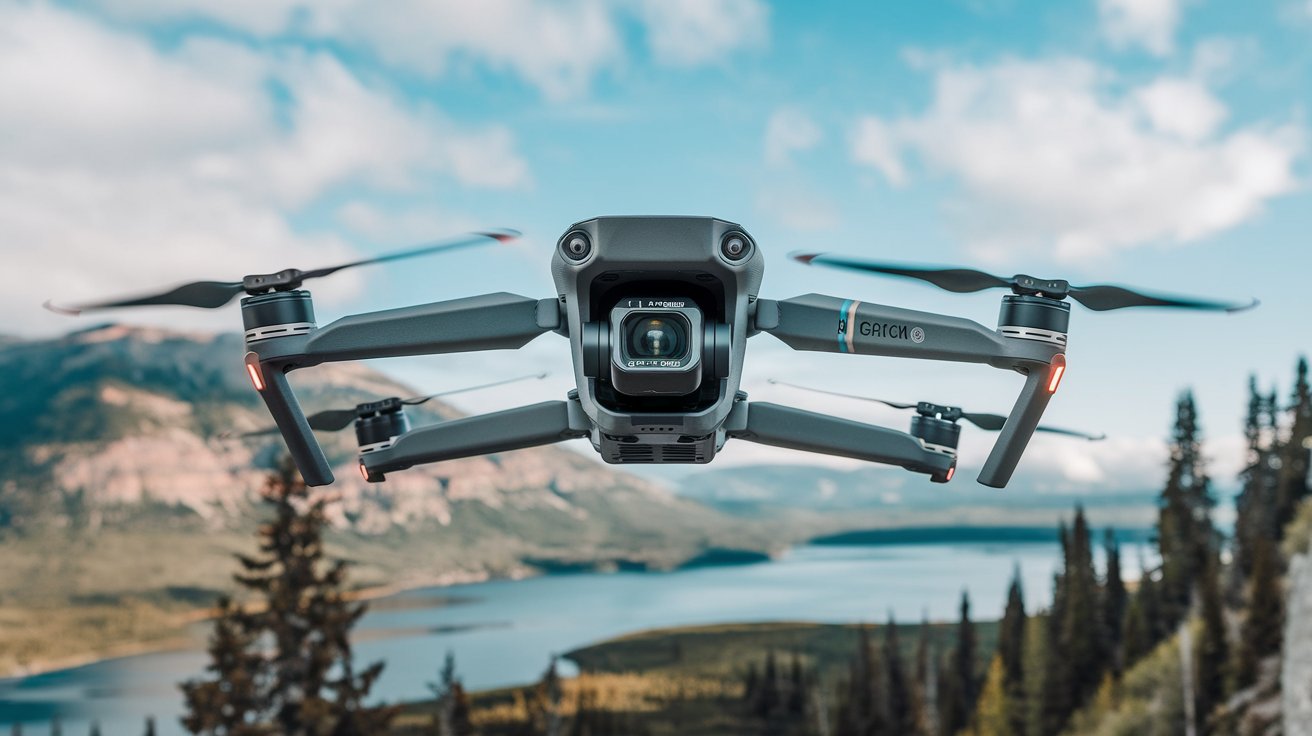
Starting as Enthusiast to Professional: The Path of a Drone Pilot
This world of UAV piloting has evolved significantly over the years, changing from a specialized pastime into a thriving professional industry. As technology has advanced, the potential applications for drones have broadened dramatically, including areas like aerial photography, surveying, agriculture, and infrastructure inspection. With growing interest in this field, many amateurs are now looking to to transition from casual flying to a full-time career, dealing with the difficulties of regulations, technical challenges, and market demands.
For those aspiring to make this transition, understanding the unique requirements and skills needed to operate drones in a professional capacity is crucial. This path often involves mastering FAA regulations, honing technical proficiencies in drone operation, and building a comprehensive knowledge of industry standards. From obtaining necessary waivers for night flying to understanding how to process LiDAR data, aspiring drone pilots must prepare themselves with a broad array of expertise. In this article, we will explore the key components that define the professional drone pilot’s experience and provide practical insights for a smooth transition.
Navigating FAA Regulations and Waivers
Understanding FAA rules is essential for any drone operator wishing to transition from amateur to professional. The FAA governs drone usage under Part 107, which specifies rules for professional drone operations. However, specific scenarios, such as night flying or flights over human beings, may require acquiring waivers. This method includes proving that you can fly safely, providing information about your planned operation, and detailing how you will mitigate any challenges involved. Successfully navigating this process can open new possibilities for aerial photography, inspections, and other commercial offerings.
One primary challenge drone pilots deal with is grasping the particular documentation required to fly within regulated airspace. Utilizing the Low Altitude Authorization and Notification Capability (LAANC) can speed up this procedure by allowing pilots to secure real-time airspace authorizations. https://doc.adminforge.de/s/w1tJGHXWd5 with this system not only aids in adherence but makes sure that you can execute your flight plans without unnecessary delays. As you progress in your career, being proficient at LAANC will set you apart from less knowledgeable pilots and can be crucial for securing deals that require complex airspace.
Furthermore, awareness of how electromagnetic interference affects drone calibration is vital for maintaining operational safety. Magnetic interference can affect a drone's compass and navigation systems, leading to faulty positioning data and potential safety risks. A skilled drone pilot must be able to detect sources of noise and carry out necessary calibrations to ensure consistent flight performance. Mastering these aspects of navigation and safety regulations will help build your credibility and trustworthiness in the drone pilot industry.
Technical Information and Best Practices
Exploring the regulatory environment is crucial for new drone pilots shifting from recreational users to certified pilots. Grasping how to navigate FAA Part 107 waivers presents a specific challenge, especially for after-dark flights and people-surpassing maneuvers. It is critical to familiarize yourself with the required documentation required to access controlled air traffic via LAANC, which allows for real-time access to space limitations. By mastering these rules, pilots can guarantee conformity and safety while expanding their flight abilities.
The value of upkeep and tuning cannot be emphasized enough. Electromagnetic disturbance can significantly alter a drone's orientation sensors and IMU calibrations, leading to navigation issues. Regular inspections and focus on adjustment protocols are crucial for consistent performance. Additionally, understanding the variances between traditional and electronic shutters in drone mapping can boost the quality of photos, making it essential for pilots to choose the appropriate equipment based on their mapping needs.
Commercial drone pilots must be tactical in their operations, particularly regarding safety and documentation. Structuring a professional flying log not only aids in keeping track of operations but is also essential for insurance assessments. Knowing what details drone underwriters look for in a business insurance plan ensures that pilots maintain adequate coverage. As drone technology progresses, remaining current on recommended standards, including payload weight considerations and regular maintenance schedules, is key to achieving lasting success in the market.
Operational Considerations and Safety Protocols
Maintaining situational awareness is vital for any drone pilot, particularly when flying in challenging surroundings. Pilots ought to always adhere with visual line of sight VLOS requirements, utilizing visual monitors when necessary to broaden their operational capabilities and guaranteeing conformance to FAA guidelines. This approach not only improves safety by allowing operators to focus on their operation but also helps in avoiding illicit commercial flights and likely airspace violations.
Meteorological elements may greatly impact drone safety. Severe breezes and reduced temperatures can drastically shorten drone flight periods, rendering it crucial for operators to check predictions and understand the way these factors affect battery performance as well as drone operation. Moreover, frequent maintenance reviews, like propeller evaluations as well as adjustments of the compass along with IMU, is crucial. Such structured practice can prevent hardware faults as well as guarantee that the UAV adapts accurately through key flights.
Emergency planning is another crucial element in reliable drone flying. Pilots should formulate as well as regularly update a detailed operation record which contains incident reports, maintenance records, and pre-flight checklists. This systematic reporting is beneficial not only for personal record but also for professional coverage reviews, exhibiting a dedication to safety and integrity. Grasping what Drone Pilots Inverness Inverness-shire seek for commercial coverage insurance guidelines can also shield pilots in situations of unanticipated incidents during flights.